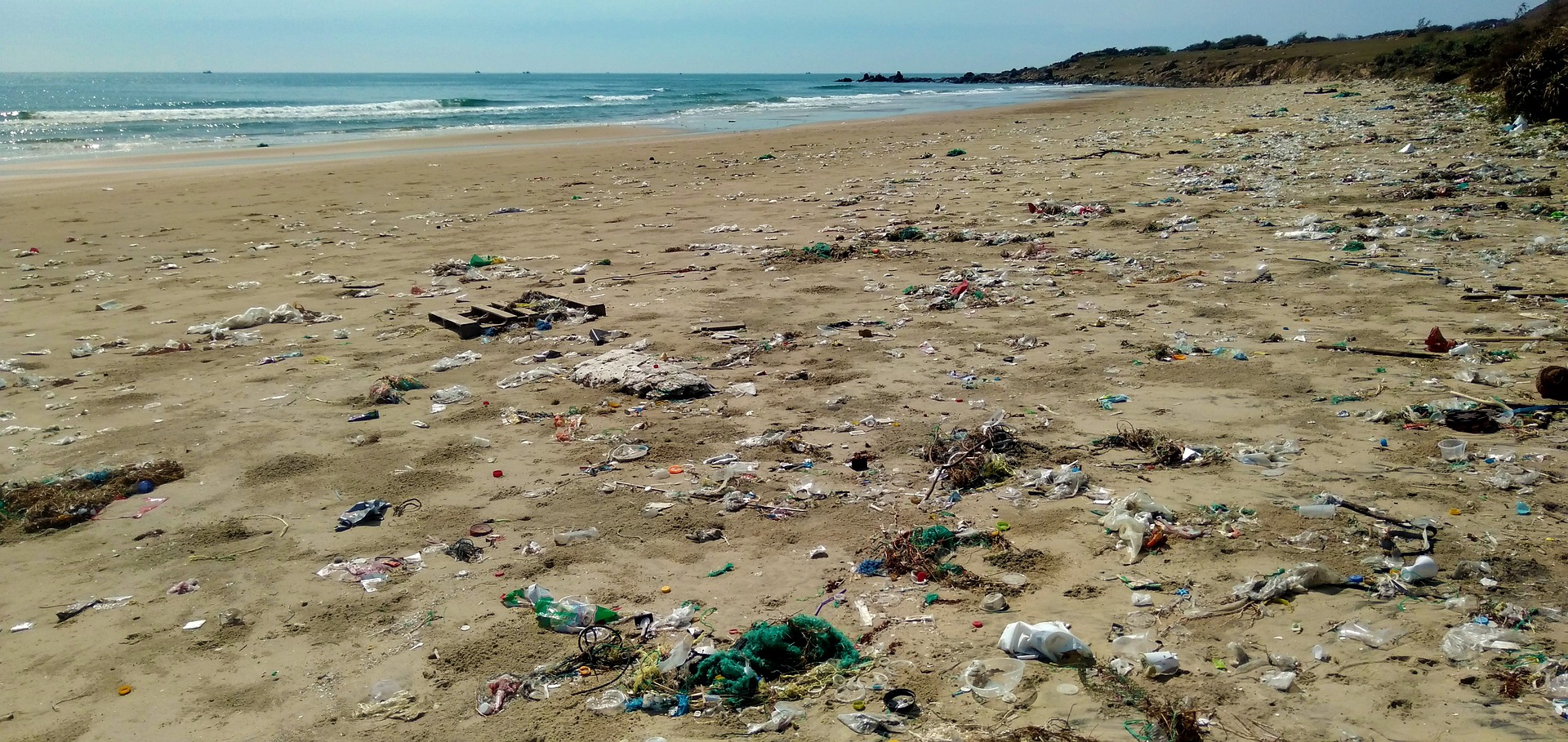
The numbers are staggering and they’re accelerating. Global plastic production exceeded 400 million tonnes in 2023. This is double what it was in 2000, and less than 9% of all plastic ever made has been recycled, according to the OECD’s Global Plastics Outlook. The rest sits in landfills, incinerators, or the natural environment.
The ocean bears a disproportionate share of this burden. An estimated 8-12 million tonnes of plastic enter marine environments every year. If current trends hold, the Ellen MacArthur Foundation projects there will be more plastic than fish in the ocean by weight by 2050.
This article breaks down where the problem comes from and what the ecological consequences are. Critically, we’ll explore which individual actions actually make a difference versus which are mostly symbolic.
Where Does Plastic Pollution Come From?
The sources are less intuitive than most people assume.
Top Sources by Volume
| Source | Estimated Contribution | Notes |
| Packaging | ~36% of total production | Single-use food and beverage packaging is the dominant category |
| Textiles | ~14% | Synthetic fabrics (polyester, nylon, acrylic) shed microfibers during washing |
| Consumer products | ~10% | Electronics, toys, household goods |
| Construction | ~16% | PVC pipes, insulation, coatings — largely contained but problematic at end of life |
| Transportation | ~7% | Vehicle interiors, tire wear particles |
| Other industrial | ~17% | Agricultural films, fishing gear, industrial packaging |
*Data sourced from UNEP’s 2024 Pollution Assessment
A critical insight: land-based sources account for approximately 80% of ocean plastic.
Rivers are the primary transport mechanism. Ten river systems, mostly in Asia and Africa, are responsible for an estimated 88-95% of riverine plastic input to the ocean, a finding published in Environmental Science & Technology.
The Microplastics Problem
Microplastics (particles smaller than 5 millimeters) are arguably a greater ecological concern than the visible debris most people picture when they think of ocean pollution.
They come from:
- Fragmentation of larger plastic items by UV radiation and wave action
- Tire wear: an estimated 6 million tonnes of tire particles are released globally per year
- Synthetic textiles: a single load of laundry can release 700,000 microfibers
- Intentional manufacturing: microbeads in cosmetics, industrial abrasives
Microplastics have now been detected in:
- Human blood (study published in Environment International, 2022)
- Placentas of unborn children
- Deep-sea sediments at 10,000+ meters
- Antarctic sea ice
- Rainwater in remote mountain regions
The health implications of chronic low-level microplastic exposure in humans are still being studied, but animal research shows endocrine disruption, inflammatory responses, and reduced reproductive success at environmentally relevant concentrations.

What Actually Works at the Individual Level
Not every action marketed as “eco-friendly” carries equal weight. Here’s what the evidence supports.
High Impact
- Reduce single-use packaging consumption: This is the most direct lever. The average American generates about 130 kg of plastic waste per year. Buying in bulk, choosing products with minimal or recyclable packaging, and bringing reusable containers can reduce this by 40-60%.
- Advocate for policy change: Individual consumption choices matter, but systemic change matters more. Extended Producer Responsibility (EPR) laws, plastic bag taxes, and bottle deposit schemes have demonstrated measurable results wherever they’ve been implemented. The UK’s 5p bag charge reduced single-use bag consumption by over 95% within five years.
- Support cleanup and prevention organizations: Groups like [The Ocean Cleanup and the Ocean Conservancy are tackling both riverine interception (preventing plastic from reaching the ocean) and open-ocean collection.
Medium Impact
- Switch to natural-fiber clothing where practical (cotton, linen, wool)
- Install a microfiber-catching filter on your washing machine
- Avoid products containing microbeads (check ingredient lists for polyethylene, polypropylene)
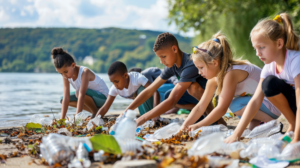
- Participate in local beach or river cleanups — they remove debris and generate data used by researchers
Lower Impact (but Still Worthwhile)
- Carry reusable bags, bottles, and utensils
- Choose bar soap over bottled liquid soap
- Buy secondhand when possible
- Properly sort recyclables (contamination is a major reason recyclable plastic ends up in landfills)
The Systemic Picture
Individual action is necessary but insufficient. The plastic pollution crisis is fundamentally a production problem, not a disposal problem. Until the economics of virgin plastic production (currently subsidized by cheap fossil fuel feedstocks) change, the waste stream will continue to grow regardless of how diligently consumers recycle.
The UN Global Plastics Treaty, currently under negotiation, aims to establish binding international commitments on plastic production, product design, and waste management. Its success or failure will likely determine whether the 2050 projections become reality.
In the meantime, the most powerful thing any individual can do is combine personal consumption changes with political engagement. Your shopping cart and your ballot are both levers; use them both.
For more evidence-based approaches to reducing your environmental impact, see our ranked guide to sustainable living changes for 2026. And to understand how pollution interacts with the ocean systems that regulate our climate, read our overview of breakthrough scientific discoveries shaping this year.