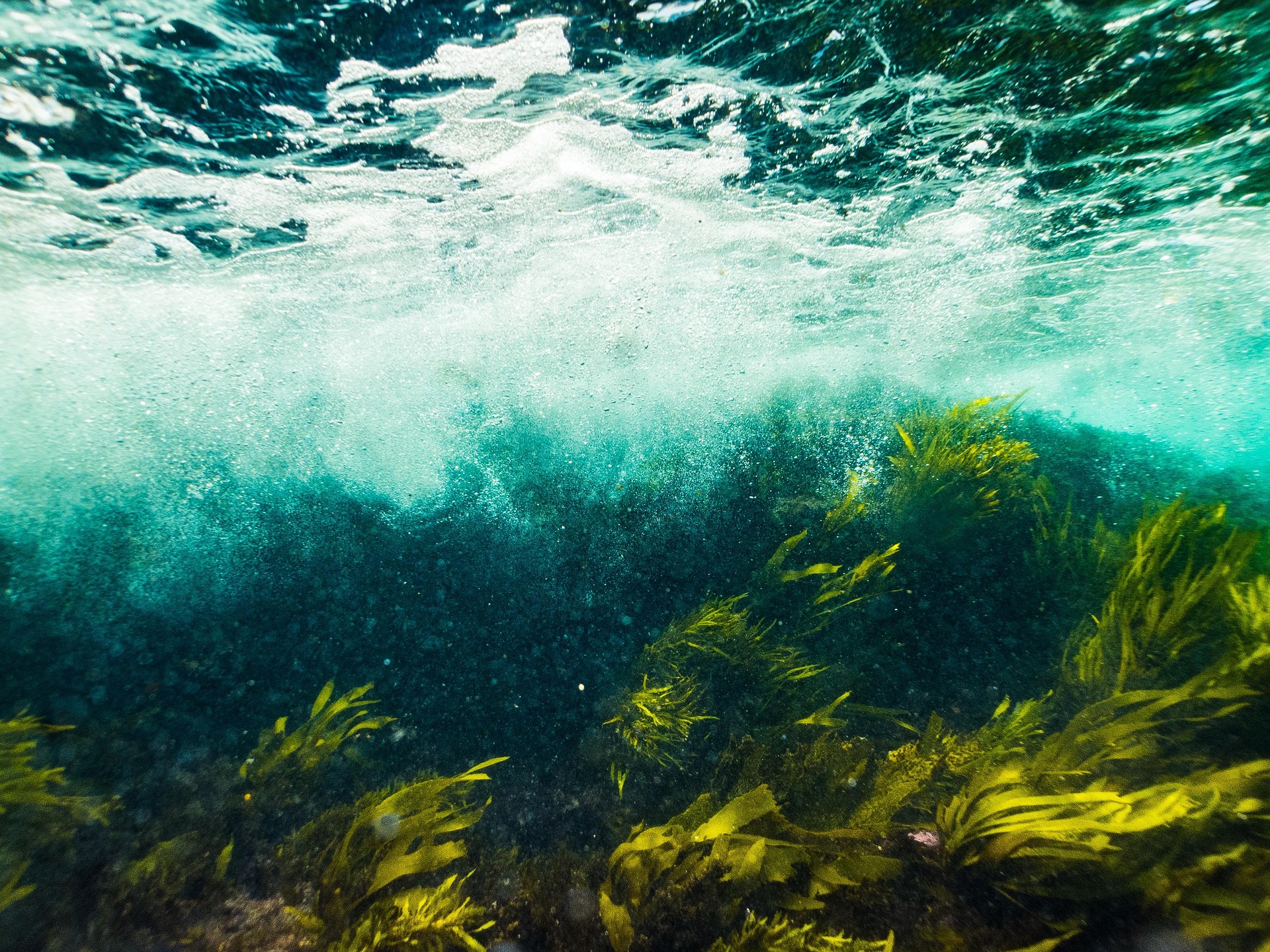
The Pacific Northwest coastline, stretching from northern California through Oregon, Washington, and into British Columbia, supports some of the most productive and biologically diverse marine ecosystems on Earth. Cold, nutrient-rich waters driven by upwelling currents create conditions that sustain everything from microscopic phytoplankton to apex predators like orcas and great white sharks.
Understanding these ecosystems isn’t just an academic exercise. They underpin commercial fisheries worth billions of dollars, regulate regional climate, and serve as early warning systems for broader oceanic changes linked to global warming.
The Major Habitat Zones
Marine ecologists typically divide the Pacific Northwest coast into distinct habitat zones, each with characteristic species assemblages and physical conditions.
Intertidal Zone
The strip of coastline exposed between high and low tides is one of the most physically demanding environments in the ocean. Organisms here endure twice-daily cycles of submersion and exposure, temperature swings of 15°C or more within hours, and relentless wave energy.
Key species and their adaptations:
| Organism | Adaptation | Zone Preference |
| Ochre sea star (Pisaster ochraceus) | Tube feet grip rock surfaces; tolerates hours of air exposure | Mid-intertidal |
| Acorn barnacles (Balanus glandula) | Cemented shell plates seal in moisture at low tide | High intertidal |
| Giant green anemone (Anthopleura xanthogrammica) | Symbiotic algae provide nutrients; retracts when exposed | Low intertidal pools |
| Purple sea urchin (Strongylocentrotus purpuratus) | Bores into rock to create protective cavities | Low intertidal |
| Gooseneck barnacles (Pollicipes polymerus) | Flexible stalk absorbs wave shock | Exposed mid-intertidal |
The intertidal zone has been a focal point for ecological research since Robert Paine’s landmark 1966 experiments at Mukkaw Bay, Washington, which introduced the concept of keystone species, a term he coined after observing how removing Pisaster ochraceus caused the entire community structure to collapse.
Kelp Forests
Bull kelp (Nereocystis luetkeana) forests are the underwater equivalent of old-growth forests. A single bull kelp frond can grow up to 10 centimeters per day, reaching lengths of 36 meters in a single growing season, according to data from the Monterey Bay Aquarium Research Institute.
These forests provide:
- Structural habitat for over 800 species of fish and invertebrates
- Nursery grounds for commercially important species like lingcod, rockfish, and Dungeness crab
- Carbon sequestration kelp forests absorb an estimated 173 million tonnes of CO₂ globally per year
- Wave buffering that protects shorelines from erosion
However, Pacific Northwest kelp forests are under severe pressure. A combination of marine heatwaves, expanding purple sea urchin populations (following the collapse of their main predator, the sunflower sea star, from sea star wasting disease), and nutrient pollution has reduced kelp canopy coverage along parts of the coast by more than 90% since 2014.
Puget Sound and Salish Sea
Puget Sound, the deep glacially-carved fjord system of western Washington, represents a distinct marine environment. Its waters are:
- Cooler and less saline than the open Pacific due to freshwater input from rivers like the Skagit, Snohomish, and Nisqually
- Stratified in summer, creating oxygen-poor bottom layers that stress benthic organisms
- Home to the endangered Southern Resident orca population — a group of just 73 individuals (as of NOAA’s 2025 census) whose survival depends on Chinook salmon runs that are themselves in decline
The Salish Sea (the broader body of water encompassing Puget Sound, the Strait of Juan de Fuca, and the Strait of Georgia) is one of the most studied marine systems in the world, with monitoring programs dating back over a century.
Threats and Conservation Status
The Pacific Northwest marine environment faces a convergence of stressors that marine scientists describe as unprecedented in the modern era.
Primary Threats
- Ocean acidification: The Pacific Northwest coast experiences some of the most corrosive ocean conditions on the planet. Upwelled deep water, already low in pH, absorbs additional atmospheric CO₂ at the surface. Oregon’s oyster hatcheries reported catastrophic larval die-offs beginning in 2007, providing one of the earliest economic signals of acidification’s real-world impact.
- Marine heatwaves: The 2013-2016 “Blob” (a mass of anomalously warm water in the northeast Pacific) caused widespread ecological disruption, including toxic algal blooms, seabird die-offs, and shifts in species ranges that persist years later.
- Habitat loss: Urbanization around Puget Sound has eliminated an estimated 75% of historical salt marsh habitat, according to the Washington Department of Ecology.
- Pollution: Stormwater runoff carries a cocktail of heavy metals, microplastics, tire-derived chemicals (notably 6PPD-quinone, identified in 2020 as lethal to coho salmon), and pharmaceutical residues into nearshore waters.
What’s Being Done
Conservation efforts are substantial, if imperfect:
- The NOAA Olympic Coast National Marine Sanctuary protects 3,188 square miles of ocean habitat off Washington’s coast
- Tribal co-management (particularly by the Makah, Quinault, and Tulalip nations) integrates traditional ecological knowledge with contemporary science
- Kelp restoration projects in Puget Sound are experimenting with urchin removal and kelp reseeding
- The Washington State Orca Task Force has recommended over 50 actions to support Southern Resident recovery
Why It Matters
Pacific Northwest marine ecosystems are not isolated systems. They’re connected to global ocean circulation, atmospheric carbon cycles, and the food webs that sustain both wildlife and human communities. What happens in Puget Sound reflects, and foreshadows, what happens in marine systems worldwide.
For a deeper look at the ocean processes driving these changes, see our explainer on how ocean currents shape global climate patterns. And for the latest research developments affecting how we understand these ecosystems, check our roundup of breakthrough scientific discoveries shaping 2026.